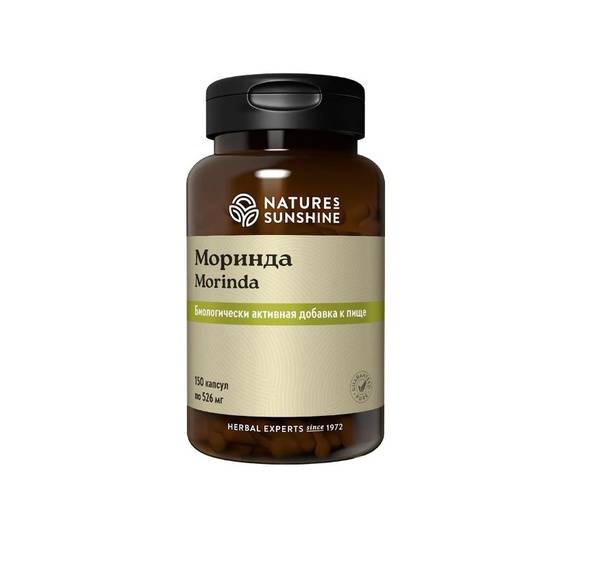
For centuries, the Morinda Citrifolia plant, also known as Noni, has been revered in Polynesian, Chinese, and other tropical cultures for its remarkable health benefits. This evergreen tree, belonging to the Rubiaeae family, bears fruit resembling small potatoes, consumed for generations for their nutritional and medicinal properties. Almost every part of the plant has a history of traditional use.
Ancient manuscripts detail the therapeutic applications of Noni, and modern science is beginning to unravel the secrets behind its effectiveness. The unique properties of Noni are attributed to its rich concentration of phytonutrients, found predominantly in Morinda citrifolia and Morinda officinalis.
This variety boasts over 100 bioactive compounds, including anthraquinone derivatives (morindone), carotenoids, bioflavonoids, terpenes, plant sterols, serotonin, ursolic acid, and caprylic acid. The latter two possess antifungal and antibacterial properties. Research supports Noni's anti-inflammatory, antioxidant, and immunomodulatory capabilities, along with its potential role in slowing tumor growth.
Traditionally, Noni has been used to improve digestion, stimulate the gastrointestinal tract, treat respiratory ailments, and strengthen the immune system. It's also known for its calming effects, stimulation of the endocrine system, analgesic properties (for conditions like arthritis), skin health benefits, and anti-aging potential. Roots, fruits, and leaves have all been used therapeutically, with fruits and leaves exhibiting notable antibacterial effects (including against Shigella and Salmonella). Mature fruits show particular promise in inhibiting these pathogens. The leaves exhibit anticoagulant activity, beneficial for hemorrhoids and venous stasis. Morinda citrifolia has also shown promise in certain types of lung, respiratory, and urinary tract cancers. The leaves may also help with parasitic infestations.
Unlike Morinda citrifolia, the root is the primary active component of Morinda officinalis. It contains anthraglycosides, resins, organic acids, and phytosterols. In Traditional Chinese Medicine, it's used for treating tumors, sexual dysfunction in men and women, rheumatism, kidney and urinary tract disorders, and polyarthritis. It’s also used as a general tonic. Significant efficacy has been observed in rheumatism, kidney disease, and polyarthritis, largely due to its anti-inflammatory properties. Morinda officinalis also stimulates endocrine function, lowers blood pressure, enhances bowel motility, provides a sedative effect, and boosts male reproductive capacity.
This Morinda dietary supplement provides a concentrated source of flavonoids, supporting overall health and well-being.
Morinda Citrifolia, Noni, Noni Capsules, Immune Support, Antioxidant, Anti-inflammatory, Digestive Health, Endocrine System, Traditional Medicine, Polynesian Remedy, 150 Capsules, Bioactive Compounds, Natural Remedy, Herbal Supplement, Health Supplement, Boost Immunity, Antibacterial, Antifungal, Arthritis Relief, Skin Health, Anti-aging, Cancer Support (Note: Always consult with your doctor regarding cancer treatment).

 US: temporary delays — postal services aligning new import rules,
  EU: 1–2 weeks, 🌍 Worldwide: 1–4 weeks ✈️