US: 2–3 weeks,
  EU/UK: 1–2 weeks, 🇨🇦 Canada: 3–4 weeks, 🌍 Rest of world: 1–4 weeks ✈️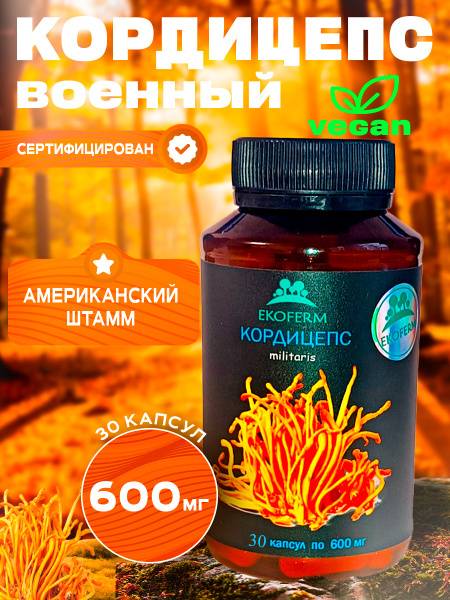
Cordyceps: Benefits, Uses & Side Effects
Cordyceps: Benefits, Uses, and Side Effects
Cordyceps, a genus of ascomycete fungi, has captivated attention for centuries due to its purported health benefits and unique properties. Traditionally used in Tibetan and Chinese medicine, Cordyceps species, particularly Cordyceps sinensis and Cordyceps militaris, are now gaining popularity globally as dietary supplements. This comprehensive guide explores the diverse applications, potential advantages, and safety considerations associated with Cordyceps.
Understanding Cordyceps:
Cordyceps are parasitic fungi that infect insects, primarily caterpillars. This unique life cycle contributes to their distinctive chemical composition, rich in bioactive compounds like polysaccharides, cordycepin, and other beneficial nutrients. While Cordyceps sinensis (often referred to as "Himalayan Viagra") is highly sought after but rare and expensive, Cordyceps militaris offers a readily available and cultivated alternative with similar bioactive components.
Potential Benefits:
- Immune System Support: Cordyceps may help modulate the immune system, potentially boosting its effectiveness.
- Enhanced Athletic Performance: Some studies indicate Cordyceps may improve athletic performance by increasing energy levels and endurance.
- Improved Respiratory Function: Traditional uses suggest potential benefits for respiratory health, although more research is needed.
- Antioxidant Properties: Cordyceps contains antioxidants that may help protect cells from damage.
- Anti-inflammatory Effects: Emerging research suggests potential anti-inflammatory properties.
Uses and Forms:
- Supplements: Capsules, tablets, and powders are commonly available.
- Extracts: Liquid extracts offer a concentrated form of the fungus.
- Tea: Cordyceps tea is a traditional method of consumption.
Side Effects and Safety:
While generally considered safe, some individuals may experience mild side effects like upset stomach or allergic reactions. Pregnant or breastfeeding women, individuals with autoimmune diseases, or those taking immunosuppressants should consult their doctor before using Cordyceps.
Conclusion:
Cordyceps holds significant promise in various health applications, driven by its unique bioactive compounds and a long history of traditional use. While further research is needed to fully elucidate its benefits, the available evidence suggests it may be a valuable addition to a holistic wellness regimen. Always consult a healthcare professional before incorporating Cordyceps into your health plan, particularly if you have pre-existing conditions or are taking medications.
Keywords:
Cordyceps, Cordyceps sinensis, Cordyceps militaris, health benefits, immune system, athletic performance, respiratory health, antioxidants, anti-inflammatory, supplements, side effects, traditional medicine, adaptogen