 US: 2–3 weeks,
  EU/UK: 1–2 weeks, 🇨🇦 Canada: 3–4 weeks, 🌍 Rest of world: 1–4 weeks ✈️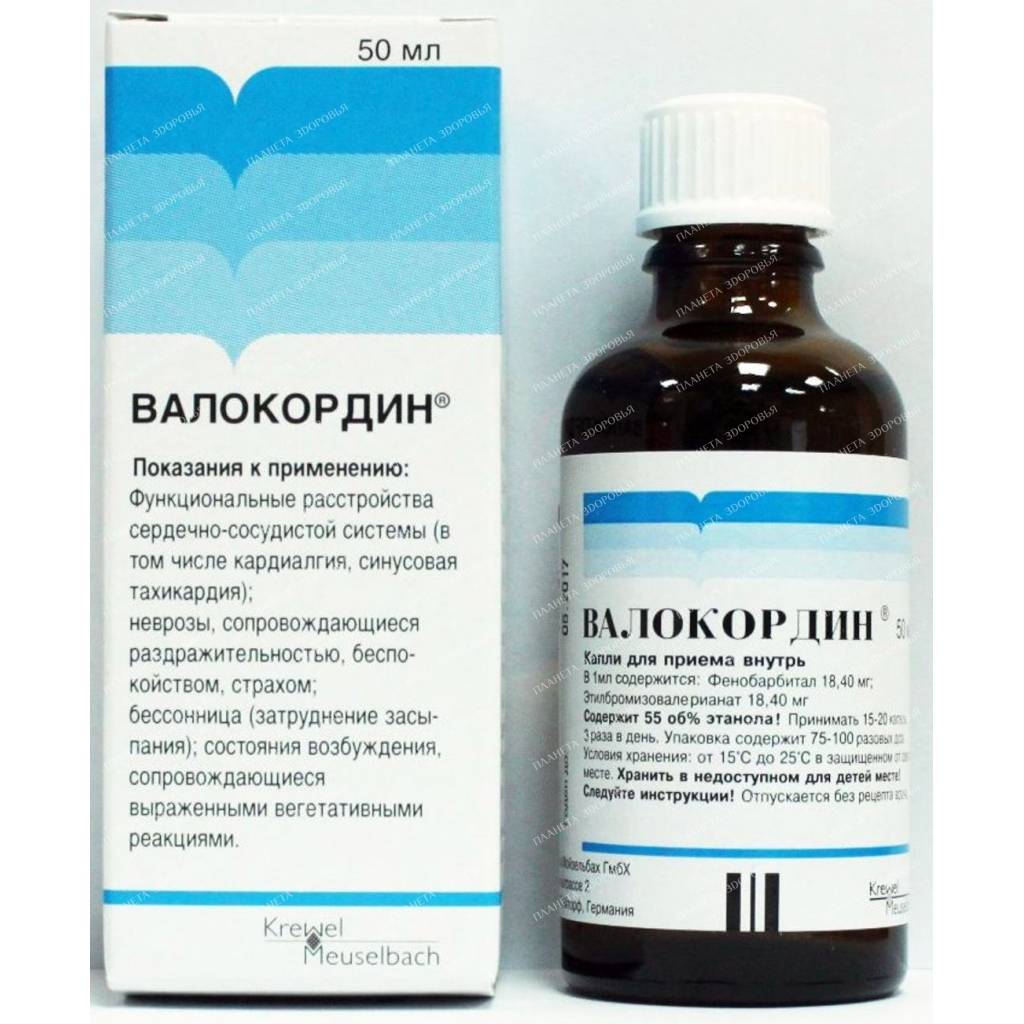
Valocordin solution drops for oral administration 50ml №1
Valocordin Solution Drops for Oral Administration: A Comprehensive Guide
Valocordin Solution Drops are a combined medication containing phenobarbital and ethylbromizovalerianate, offering a sedative or hypnotic effect depending on the dosage. This guide provides a comprehensive overview of Valocordin, encompassing its uses, dosage, side effects, precautions, interactions, and more.
What is Valocordin?
Valocordin is a liquid solution for oral administration. It's known for its calming and sleep-inducing properties, making it a potential aid for functional nervous system disorders such as neurasthenia and sleep disturbances.
Important Considerations:
- Short-term use only: Due to the risk of addiction and dependence, Valocordin is intended for episodic, short-term use.
- Alcohol content: Valocordin contains a significant amount of ethyl alcohol, necessitating careful consideration for individuals with alcohol-related issues.
- Pregnancy and lactation: Valocordin is strictly contraindicated for pregnant women and breastfeeding mothers.
- Children and high-risk patients: Valocordin is not recommended for children under 18 years old and should be used with caution in patients with liver disease, epilepsy, and other high-risk conditions.
Uses and Indications:
Valocordin is prescribed as a symptomatic treatment for:
- Functional nervous system disorders: Neurasthenia and sleep disorders
- Anxiety and agitation
Dosage and Administration:
- Adults: The usual starting dose is 15-20 drops taken three times a day before meals with a small amount of water.
- Disturbed sleep: The dose may be increased to 30 drops in case of trouble falling asleep.
- Duration: The duration of treatment is individually determined by the doctor.
Contraindications:
Valocordin is contraindicated in the following situations:
- Hypersensitivity: To bromine or any component of the medication.
- Renal or Liver Failure
- Porphyria
- Alcoholism, Epilepsy, and other brain diseases: With a lowered seizure threshold.
- Pregnancy and Lactation
- Children: Under the age of 18 years.
Potential Side Effects:
Valocordin may cause a range of side effects, including:
- Nervous System: Drowsiness, impaired concentration, dizziness, headache, agitation, anxiety, confusion, depression, sleep disturbances, hallucinations.
- Respiratory System: Hypoventilation, apnea.
- Digestive System: Nausea, vomiting, constipation, liver dysfunction.
- Hematopoietic Organs: Agranulocytosis, anemia, thrombocytopenia.
- Cardiovascular System: Bradycardia, low blood pressure, fainting.
- Musculoskeletal System: Reduced bone density, osteopenia, osteoporosis, fractures (with prolonged use).
- Other: Blurred vision, allergic reactions, fever, liver damage, drug dependence, chronic bromine poisoning.
Interactions with Other Drugs:
- Central Nervous System Depressants: Avoid taking Valocordin concurrently with other medications that depress the central nervous system, including alcohol.
- Valproic Acid: Increases the effects of barbiturates.
- Coumarin Derivatives, Antibacterials, Sulfonamides: Valocordin can accelerate the metabolism of these drugs.
- Lamotrigine, Thyroid Hormones, Doxycycline, Chloramphenicol, Antifungal Drugs, Griseofulvin, Glucocorticoids, Oral Contraceptives: Potential interactions due to the presence of phenobarbital in Valocordin.
- Methotrexate: Increases the toxicity of methotrexate.
- Phenytoin: Effects on phenytoin metabolism are unpredictable, requiring monitoring of blood concentrations.
- Sodium Valproate, Valproic Acid: Inhibit the metabolism of phenobarbital.
- Drugs Causing Disulfiram-like Reactions: Avoid taking Valocordin with medications that cause disulfiram-like reactions (disulfiram, certain antibiotics, etc.).
Overdose:
Symptoms of overdose can range from mild to severe, including:
- Chronic Overdose: Depression, nystagmus, ataxia, low blood pressure, blood disorders, agitation, chronic bromine intoxication.
- Acute Overdose: Severe central nervous system and respiratory depression, Cheyne-Stokes breathing, coma, shock.
In case of overdose, immediate medical attention is crucial.
Storage and Disposal:
Store Valocordin in a cool, dark place, out of reach of children. Consult your pharmacist or healthcare professional for proper disposal methods.
Disclaimer:
This information is intended for general knowledge and informational purposes only, and does not constitute medical advice. Always consult your healthcare provider for personalized medical advice and treatment.
$21
In stock — ready to ship
Related shopping options
Explore related products by family, manufacturer or listed ingredient. Shared ingredients do not mean products are interchangeable; check strength, form and label information.
Related category
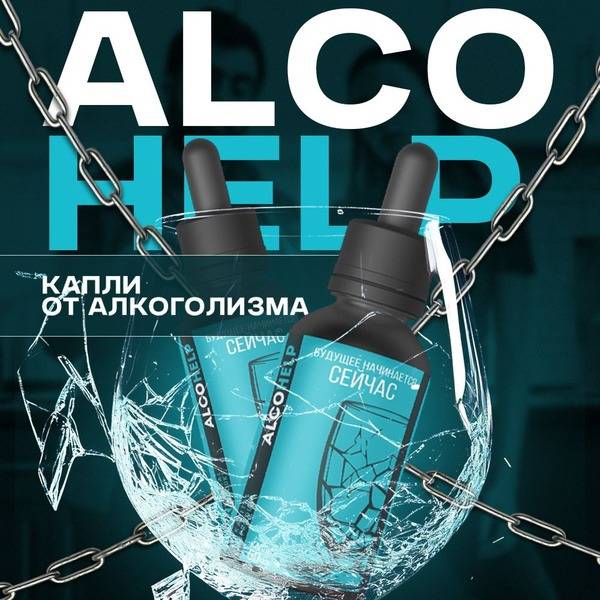
AlcoHelp: Alcohol Detox Drops, Liver Support & Hangover Relief (50ml)
Related category
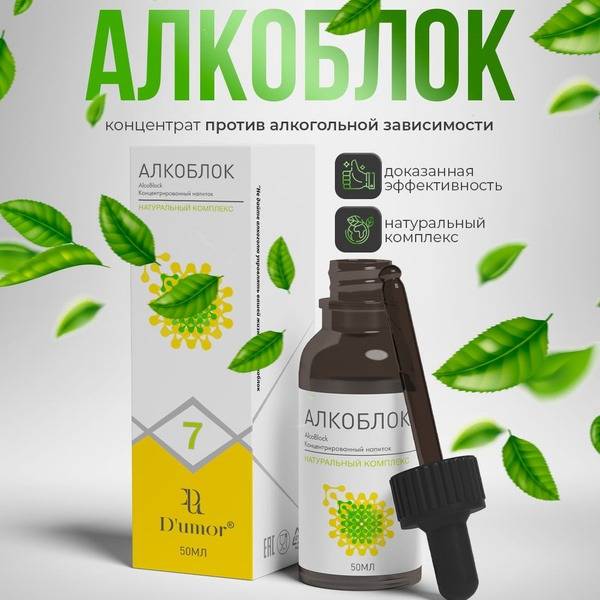
Alcohol Blocker Drops: Detox, Liver Support, & Hangover Relief
Related category
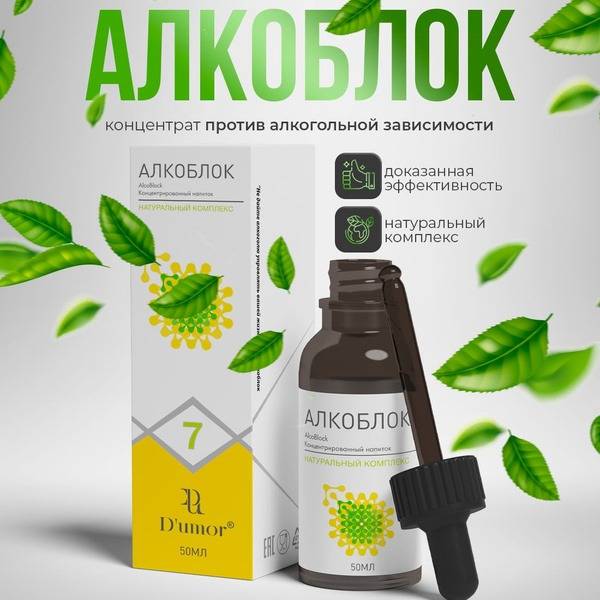
Alcoblock Drops: Alcohol Dependence & Hangover Relief - Natural Detox for Liver Support (50ml)
Related category
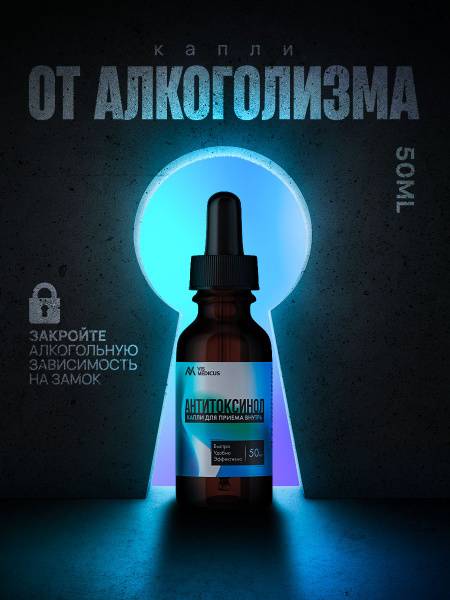
Antitoxinol: Alcoholism Drops, Hangover Remedy, Liver Detox & Body Cleanse (50ml)
Related category
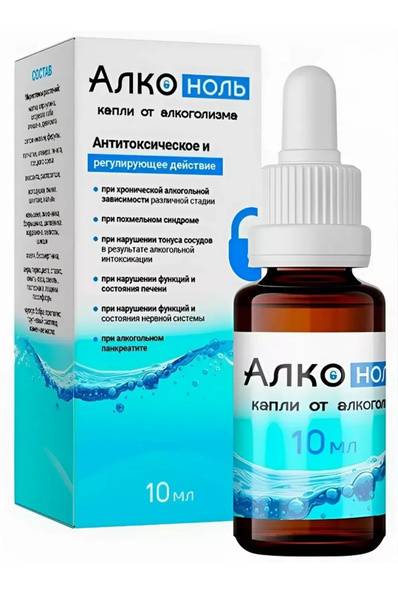
Alkonol Hangover and Detox Liquid 10ml
Related category