 US: 2–3 weeks,
  EU/UK: 1–2 weeks, 🇨🇦 Canada: 3–4 weeks, 🌍 Rest of world: 1–4 weeks ✈️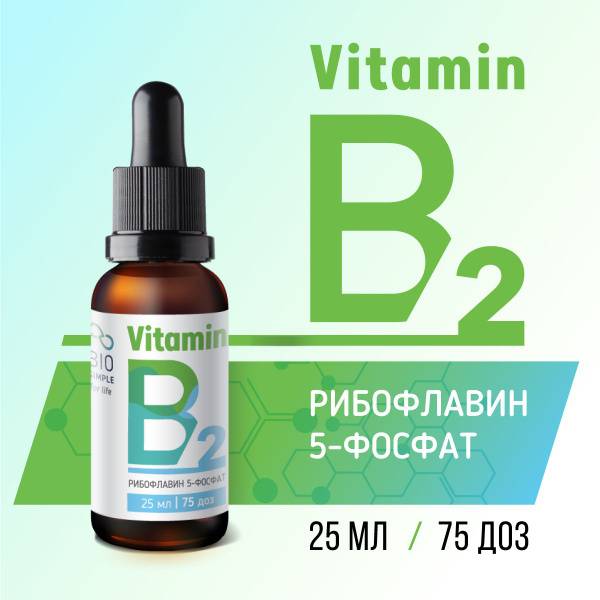
Riboflavin (Vitamin B2): Benefits, Dosage & Side Effects
Riboflavin (Vitamin B2): Benefits, Deficiency Symptoms & Uses
Riboflavin, also known as Vitamin B2, is an essential water-soluble vitamin crucial for numerous bodily functions. Unlike some B vitamins, Riboflavin is often found in its active form, riboflavin-5'-phosphate, in supplements, ensuring maximum absorption and utilization by the body. This makes it a highly effective nutrient for addressing various health concerns.
Benefits of Riboflavin (Vitamin B2):
- Energy Production: Riboflavin plays a vital role in energy metabolism, helping the body convert food into usable energy. It's a key component in the process of breaking down fats, proteins, and carbohydrates into glucose, the body's primary fuel source. This energy boost can combat fatigue and improve overall vitality.
- Eye Health: Riboflavin is essential for maintaining healthy vision. It protects against age-related macular degeneration and cataracts, two leading causes of vision impairment. Furthermore, it helps alleviate symptoms associated with dry eyes and other eye irritations.
- Skin Health: A deficiency in Riboflavin can manifest in various skin problems, including cracked lips (cheilitis), inflammation, and dry skin. Adequate intake promotes healthy skin and helps prevent these issues.
- Neurological Function: Riboflavin supports optimal brain function and nervous system health. It contributes to cognitive function and helps prevent neurological disorders associated with B vitamin deficiencies.
- Cardiovascular Health: This essential nutrient contributes to cardiovascular health by assisting in the regulation of homocysteine levels. Elevated homocysteine is a risk factor for heart disease. Riboflavin's role in reducing homocysteine helps to maintain healthy blood vessels and reduces the risk of heart disease.
- Improved Iron and Folate Absorption: Riboflavin enhances the absorption of iron and folate, two crucial nutrients for preventing anemia and promoting healthy red blood cell production.
- Liver Health: Riboflavin contributes to overall liver health and function.
Riboflavin Deficiency Symptoms:
- Cracks and sores in the corners of the mouth (angular cheilitis)
- Swollen, red, or cracked lips
- Dry, scaly skin
- Sore throat
- Sensitivity to light
- Fatigue and weakness
- Anemia
- Impaired cognitive function
Food Sources of Riboflavin:
- Dairy products (milk, yogurt, cheese)
- Eggs
- Leafy green vegetables
- Mushrooms
- Almonds
- Liver
Conclusion:
Riboflavin (Vitamin B2) is a vital nutrient for maintaining overall health and well-being. Ensuring adequate intake through diet or supplementation can help prevent deficiencies and support numerous bodily functions, from energy production to eye and skin health. If you suspect a Riboflavin deficiency, consult with a healthcare professional for appropriate diagnosis and treatment.
Related shopping options
Explore related products by family, manufacturer or listed ingredient. Shared ingredients do not mean products are interchangeable; check strength, form and label information.
Related category
Belmedpreparations Potassium Orotat, 500 mg, 20 tablets
Related category
Belmedpreparations Fitonsol, 20 tab.
Related category
Sandoz Agnia, 4 mg, 30 tab.
Related category
Belmedpreparations Metronidazole gel 1%, 18 g.
Related category
Borimed Zinc Ointment, 100 mg / g, 25 g.
Related category