 US: 2–3 weeks,
  EU/UK: 1–2 weeks, 🇨🇦 Canada: 3–4 weeks, 🌍 Rest of world: 1–4 weeks ✈️
Glucose solution for intravenous injection 400mg/ml in ampoules 5ml №10
Glucose Solution for Intravenous Injection 400mg/ml in Ampoules 5ml №10
Description:
Glucose solution for intravenous injection is a sterile, non-pyrogenic solution of glucose in water for injection. It is indicated for the treatment of hypoglycemia and as a source of carbohydrates in parenteral nutrition.
Key Features:
- High concentration: 400mg/ml glucose solution provides a concentrated source of energy.
- Convenient packaging: Ampoules of 5ml, packaged in boxes of 10, offer easy administration.
- Trusted manufacturer: Produced by Borisov ZMP, a reputable pharmaceutical company.
- Versatile application: Can be used for various indications, including hypoglycemia and parenteral nutrition.
Composition:
Each ampoule (5 ml) contains:
- Active substance: Glucose (anhydrous) - 2000 mg
- Excipients: Concentrated hydrochloric acid, sodium chloride, water for injection.
Pharmacological Properties:
Glucose is a simple sugar that is essential for energy production in the body. When administered intravenously, it provides a rapid and readily available source of energy.
Indications for Use:
- Hypoglycemia: For the treatment of low blood sugar levels.
- Parenteral nutrition: As a source of carbohydrates in patients who cannot receive adequate nutrition orally or enterally.
Contraindications:
- Hyperglycemia: High blood sugar levels.
- Diabetes mellitus: A condition where the body cannot regulate blood sugar levels properly.
- Postoperative disorders of glucose utilization: Impaired glucose metabolism after surgery.
- Hyperlactacidemia: Elevated lactic acid levels in the blood.
- Hyperosmolar coma: A condition characterized by high blood sugar levels and dehydration.
- Hyperhydration: Excessive fluid in the body.
- Cerebral and pulmonary edema: Fluid buildup in the brain or lungs.
- Acute left ventricular failure: A serious heart condition.
- Hypersensitivity to the drug: Allergic reactions to any component of the solution.
- Circulatory disorders: Conditions affecting blood flow.
- Hemorrhages in the brain and spinal cord (except for conditions accompanied by hypoglycemia): Bleeding in these areas.
- Childhood: Not recommended for use in children.
Dosage and Administration:
- Hypertonic solution 400 mg/ml: Administered intravenously at a rate of up to 30 drops/min (1.5 ml/min), corresponding to approximately 48 ml/hour.
- Maximum daily dose for adults: 250 ml.
- Maximum daily dose for children: 15 ml/kg/day (6 g/kg/day).
- Maximum infusion rate: 0.62 ml/kg/h (0.25 g/kg/h).
Precautions:
- Do not administer quickly or for extended periods.
- Monitor fluid and electrolyte balance and serum glucose levels regularly.
- Use with caution in patients with acute cerebrovascular accident.
- Do not use subcutaneously or intramuscularly.
- Discard unused portion of the ampoule after opening.
- Consult a healthcare professional for specific dosage and administration instructions.
Side Effects:
- Common side effects: Hypokalemia, hypomagnesemia, hypophosphatemia, hyperglycemia, hemodilution, dehydration, hypervolemia, venous thrombosis, phlebitis, sweating, polyuria, chills, fever, injection site reactions.
- Rare side effects: Anaphylactic reactions, hypersensitivity.
Drug Interactions:
- Insulin: Improves glucose uptake by tissues.
- Potassium salts: Enhance glucose uptake.
- Sodium chloride solutions: Additive effect on osmolarity.
- Alkaloids: Decomposition may occur.
- General anesthetics: Decreased activity.
- Hypnotics: Reduced activity.
- Analgesics and adrenomimetic agents: Activity weakened.
- Streptomycin, nystatin: Activity reduced.
- Hexamethylenetetramine: Incompatibility due to oxidizing properties of glucose.
- Thiazide diuretics and furosemide: Decreased glucose tolerance.
- Digitalis drugs: Increased toxicity due to hypokalemia.
- Barbiturates, erythromycin, aminophylline, hydrocortisone, warfarin, kanamycin, soluble sulfonamides, cyanocobalamin: Incompatibility in solutions.
- Blood: Risk of nonspecific agglutination.
Overdose:
- Symptoms: Hyperglycemia, thirst, polyuria, polydipsia, acute left ventricular failure.
- Treatment: Withdrawal of the drug, administration of insulin under glycemic control, symptomatic therapy.
Storage:
- Store at temperatures between 5°C and 30°C.
- Keep out of reach of children.
- Do not use after the expiry date.
Dispensing:
Available by prescription.
Please note: This information is provided for general knowledge and informational purposes only, and does not constitute medical advice. Always consult a qualified healthcare professional for diagnosis and treatment of any medical condition.
Related shopping options
Explore related products by family, manufacturer or listed ingredient. Shared ingredients do not mean products are interchangeable; check strength, form and label information.

Same manufacturer
Metformin tab p/o 500mg №10x3
Related category
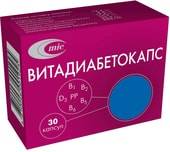
MIC Vitadiabetocaps, 30 caps.
Related category
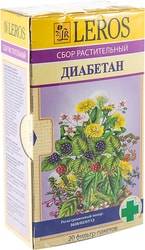
Leros Diabetan, 20 Pak. 1 g each
Related category
Exxon Vitamin C Chewable Tablets 25mg 5x4
Related category
Ascorbic Acid Dragees 50mg, 200 Pack

Related category