 US: 2–3 weeks,
  EU/UK: 1–2 weeks, 🇨🇦 Canada: 3–4 weeks, 🌍 Rest of world: 1–4 weeks ✈️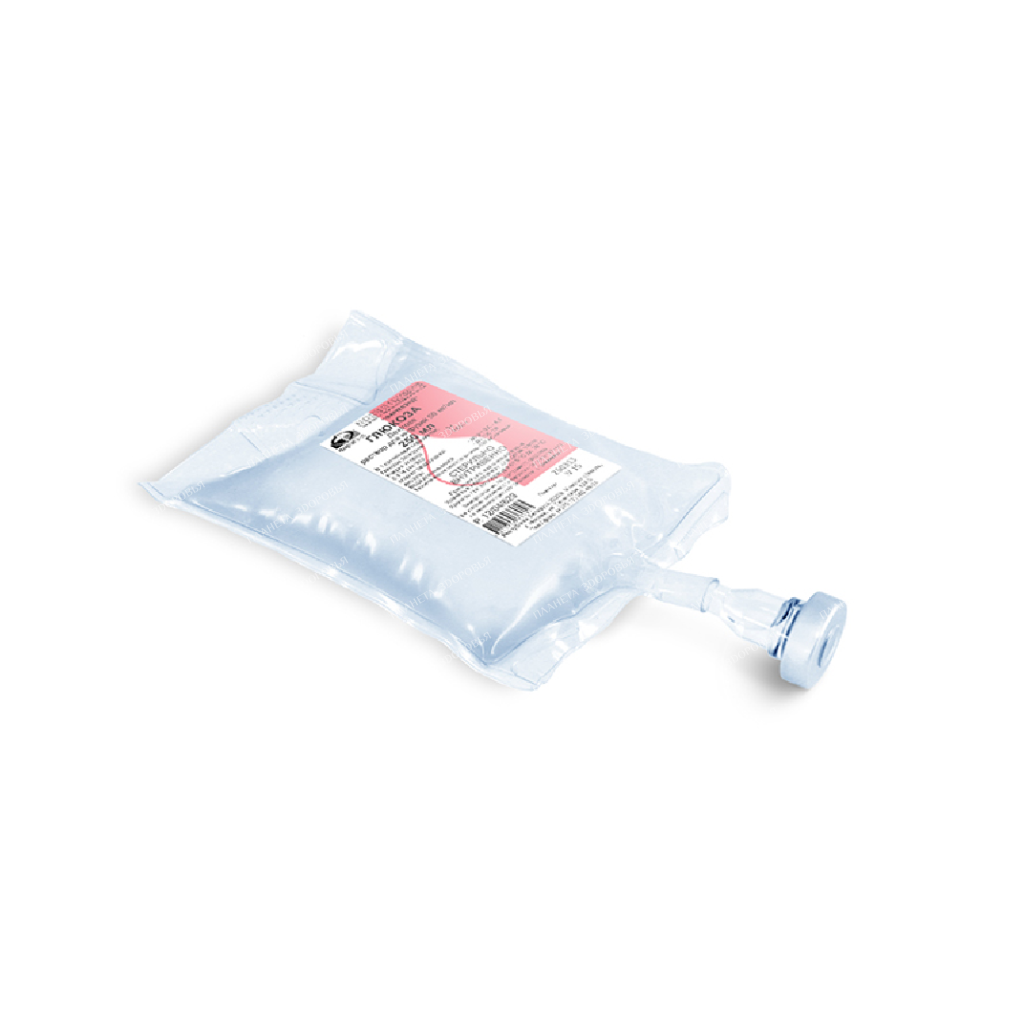
Glucose solution for infusions 50mg/ml in polymer containers 250ml №1
Glucose Solution for Infusion 50mg/ml: Essential Information and Safety Guidelines
This comprehensive guide provides detailed information on Glucose solution for infusion 50mg/ml, a vital medical solution used to replenish glucose levels in various clinical situations. We cover key aspects including administration, safety, potential interactions, and contraindications.
What is Glucose Solution for Infusion 50mg/ml?
Glucose solution for infusion 50mg/ml is a sterile, non-pyrogenic solution containing 50mg of anhydrous glucose per milliliter. It's available in polymer containers of 250ml and is commonly used in hospitals and medical settings to:
- Correct hypoglycemia: This solution effectively raises blood sugar levels in patients experiencing low blood sugar.
- Provide essential energy: Glucose is a primary source of energy for the body, and this solution can provide vital fuel during illness, surgery, or trauma.
- Support fluid balance: The solution can also be used to help rehydrate patients suffering from dehydration.
Important Administration Guidelines:
- Visual inspection: Before administering the solution, always perform a visual inspection of the container. The solution should be clear, free from suspended particles or sediment. Ensure the label is present and the packaging is sealed.
- Dosage and infusion rate: The concentration and dosage of the solution depend on the patient's age, body weight, and clinical condition. Dosage is determined by a medical professional, and the infusion rate should not exceed the patient's glucose utilization threshold to avoid hyperglycemia.
- Monitoring: Carefully monitor clinical and biological parameters, especially blood glucose concentration and water-salt balance.
- Insulin considerations: For better glucose assimilation when administering large doses, insulin may be prescribed simultaneously at a rate of 1 IU of insulin per 4-5 g of glucose.
Safety and Precautions:
- Hyperglycemia risk: Prolonged use of glucose solution can lead to hyperglycemia. Careful monitoring is crucial.
- Brain injury: Avoid prescribing glucose solution in the acute period of severe traumatic brain injury or acute cerebrovascular accident.
- Electrolyte balance: Monitor water and electrolyte balance during treatment.
- Pregnancy and lactation: Exercise caution during pregnancy and lactation, as glucose solutions can cause fetal hyperglycemia and metabolic acidosis.
- Kidney and heart issues: Use with caution in patients with renal or cardiac insufficiency.
- Hypokalemia: Combined administration with potassium supplements is necessary to prevent worsening hypokalemia.
- Administration method: Do not use subcutaneously or intramuscularly. Administer slowly through large veins to prevent thrombophlebitis.
Interactions with other Drugs:
Glucose solution is incompatible with several medications, including:
- Aminophylline
- Soluble barbiturates
- Erythromycin
- Hydrocortisone
- Warfarin
- Kanamycin
- Soluble sulfonamides
- Cyanocobalamin
- Blood products
Contraindications:
Glucose solution 50mg/ml is contraindicated in patients with:
- Intracranial and intraspinal hemorrhages (except for hypoglycemia-related conditions)
- Severe dehydration, including alcoholic delirium
- Hypersensitivity to dextrose or other components of the drug
- Anuria
- Diabetes mellitus and other hyperglycemic conditions
- Hyperlactacidemia, hyperosmolar coma
- Hyperhydration, cerebral and pulmonary edema, acute left ventricular failure
- Circulatory disorders threatening brain and lung swelling
Use with caution in patients with:
- Decompensated chronic heart failure
- Chronic renal failure (oligo-, anuria)
- Hyponatremia
- Diabetes mellitus
Overdose:
Overdose may cause hyperglycemia and hyperhydration. Symptoms include:
- Dry skin and mucous membranes
- Decreased eyeball tension
- Frequent shallow breathing without acetone odor
- Tachycardia, arrhythmia
- Loss of consciousness
- Increased body temperature
Side Effects:
Common side effects include:
- Hypervolemia
- Acute left ventricular failure
- Osmotic diuresis
- Infection and thrombophlebitis at the injection site
- Electrolyte imbalance (hyponatremia, hypokalemia, hypophosphatemia, hypomagnesemia)
- Hyperglycemia
- Allergic reactions (hyperthermia, skin rash, angioedema, shock)
- Vein thrombosis
- Nausea
Storage Conditions:
Store at temperatures between 5°C and 30°C. Do not freeze. Keep out of reach of children.
Important Note: This information is intended for educational purposes only and should not be considered medical advice. Always consult with a healthcare professional before using any medication or treatment.
For more information on Glucose solution for infusion 50mg/ml, please contact a healthcare professional.
$9.99
In stock — ready to ship
Related shopping options
Explore related products by family, manufacturer or listed ingredient. Shared ingredients do not mean products are interchangeable; check strength, form and label information.
Same manufacturer
Glucose solution for infusions 50mg/ml in containers 100ml №1

Related category
Farmland Glucose solution, 50 mg / ml, 500 ml.

Related category
Farmland Glucose solution, 50 mg / ml, 100 ml.

Related category
Farmland Glucose solution, 100 mg / ml, 500 ml.

Related category
Borimed Water for injection, 10 amp. 5 ml each.
Related category