 US: 2–3 weeks,
  EU/UK: 1–2 weeks, 🇨🇦 Canada: 3–4 weeks, 🌍 Rest of world: 1–4 weeks ✈️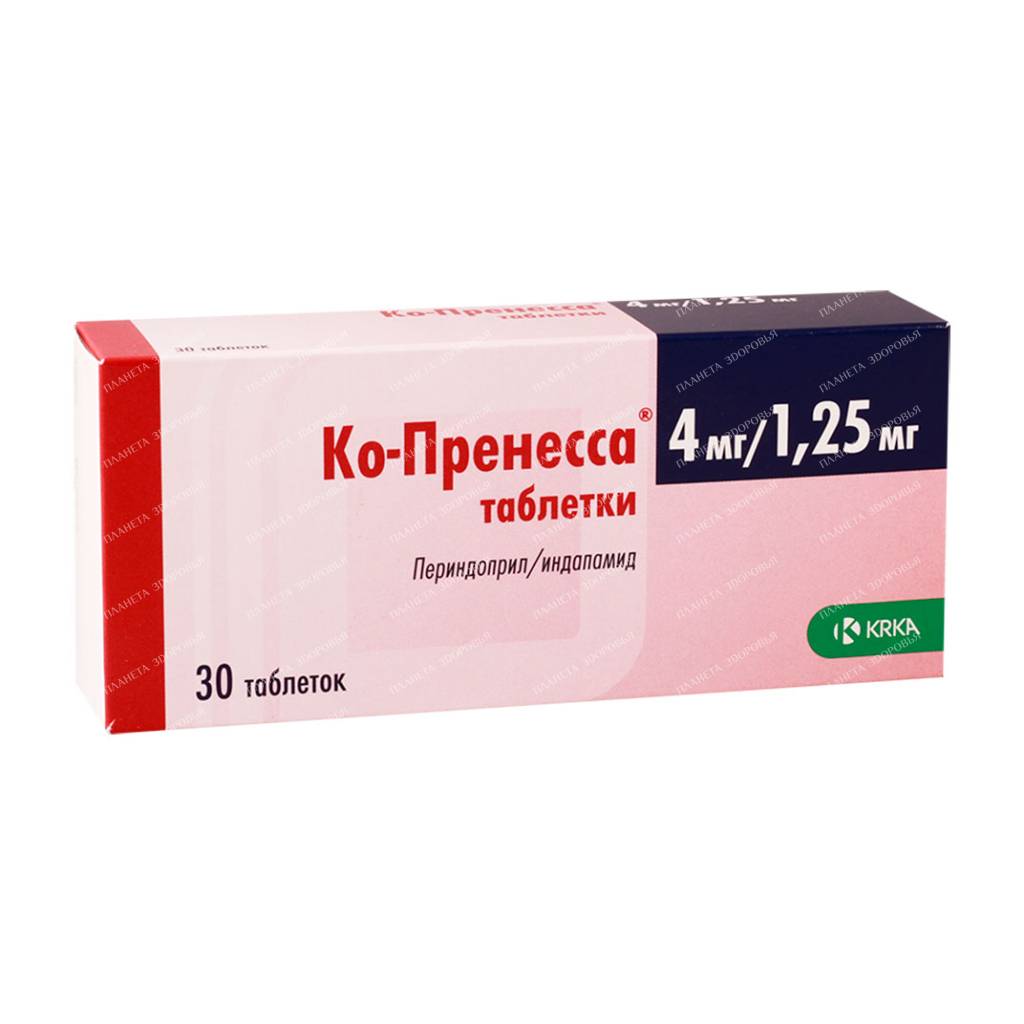
Co-Prenessa tablets 4mg/1.25mg №10x3
h2 { font-size: 2em; } h3 { font-size: 1.5em; } p { line-height: 1.5; } ul { list-style: disc; margin-left: 2em; } li { margin-bottom: 0.5em; }
Co-Prenessa Tablets 4mg/1.25mg: A Powerful Antihypertensive Combination for Effective Blood Pressure Control
Description:
Co-Prenessa tablets are a fixed-dose combination medication containing perindopril erbumine, an angiotensin-converting enzyme (ACE) inhibitor, and indapamide, a thiazide-like diuretic. This unique blend provides a synergistic antihypertensive effect, effectively lowering both systolic and diastolic blood pressure in patients with primary arterial hypertension.
Composition:
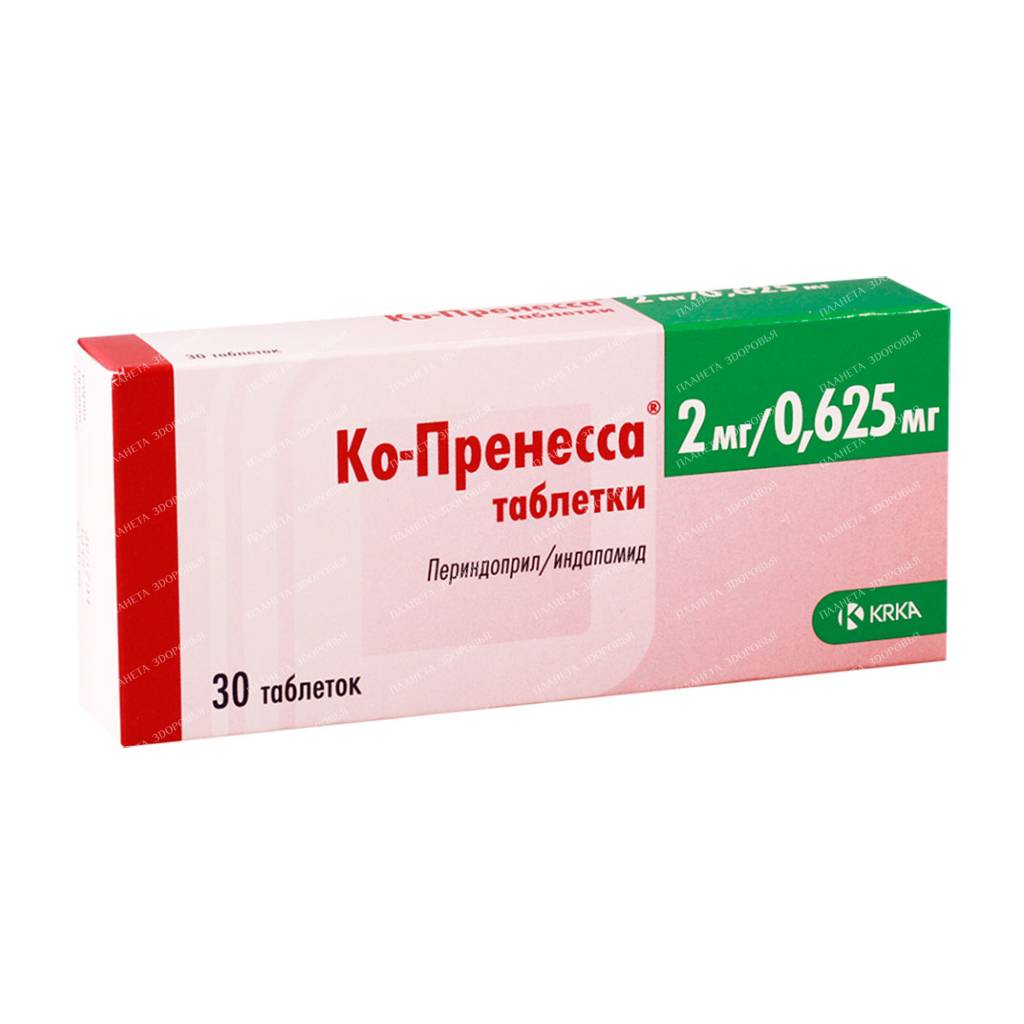
- Co-Prenessa 2mg/0.625mg Tablets: Each tablet contains 2mg perindopril erbumine and 0.625mg indapamide.
- Co-Prenessa 4mg/1.25mg Tablets: Each tablet contains 4mg perindopril erbumine and 1.250mg indapamide.
Pharmacological Properties:
Co-Prenessa works by combining the actions of its two active ingredients:
- Perindopril: Blocks the conversion of angiotensin I to angiotensin II, a powerful vasoconstrictor, leading to vasodilation, reduced blood pressure, and improved cardiac function.
- Indapamide: Inhibits sodium reabsorption in the kidneys, increasing urine output and reducing blood volume, ultimately lowering blood pressure.
Clinical Benefits:
- Effective Blood Pressure Control: Co-Prenessa provides a sustained, dose-dependent reduction in both systolic and diastolic blood pressure, lasting for 24 hours.
- Synergistic Effect: The combination of perindopril and indapamide offers a greater antihypertensive effect compared to either drug used alone.
- Improved Cardiac Function: Co-Prenessa reduces afterload and preload, improving heart function, particularly beneficial for patients with heart failure.
- Long-Term Efficacy: Regular use of Co-Prenessa maintains blood pressure control without causing tachyphylaxis or withdrawal syndrome.
Dosage and Administration:
- Co-Prenessa 2mg/0.625mg Tablets: The usual dose is 1 tablet once daily, preferably taken in the morning before meals. The dose may be increased to 2 tablets daily if necessary.
- Co-Prenessa 4mg/1.25mg Tablets: This dosage is indicated when blood pressure control cannot be achieved with the 2mg/0.625mg tablets. The usual dose is 1 tablet once daily, taken in the morning before meals.
Indications:
- Primary Arterial Hypertension: Co-Prenessa is indicated for the treatment of high blood pressure in adults.
Contraindications:
- Hypersensitivity: Co-Prenessa is contraindicated in individuals with known hypersensitivity to perindopril, indapamide, or other sulfonamides.
- Renal Impairment: Co-Prenessa is contraindicated in patients with severe renal impairment (creatinine clearance below 30 ml/min).
- Pregnancy: Co-Prenessa is contraindicated during the second and third trimesters of pregnancy.
- Lactation: Co-Prenessa is contraindicated during breastfeeding.
- Other: Co-Prenessa is also contraindicated in patients with hepatic encephalopathy, severe hepatic impairment, hypokalemia, and simultaneous use with antiarrhythmic drugs that prolong the QT interval.
Precautions:
- Renal Function: Co-Prenessa should be used with caution in patients with moderate renal impairment (creatinine clearance 30-60 ml/min), and dose adjustments may be necessary.
- Hepatic Function: Co-Prenessa should be used with caution in patients with moderate hepatic impairment.
- Hypokalemia: Co-Prenessa may cause hypokalemia. Regular monitoring of potassium levels is important, particularly in patients at risk.
- Hypotension: Co-Prenessa may cause hypotension. Patients should be monitored for signs and symptoms of low blood pressure, especially during the initial stages of treatment.
- Electrolyte Imbalances: Co-Prenessa can affect electrolyte balance. Regular monitoring of sodium and potassium levels is recommended.
- Pregnancy and Lactation: Co-Prenessa is contraindicated in pregnancy and lactation.
- Children and Adolescents: The safety and efficacy of Co-Prenessa in children and adolescents have not been established.
Side Effects:
The most common side effects associated with Co-Prenessa include:
- Headache
- Dizziness
- Fatigue
- Cough
- Hypotension
- Hypokalemia
- Gastrointestinal disturbances: Nausea, vomiting, abdominal pain, diarrhea, constipation.
Interactions:
Co-Prenessa may interact with other medications. It is important to inform your doctor about all medications you are taking, including over-the-counter drugs and herbal supplements.
Overdose:
In case of overdose, seek immediate medical attention.
Storage:
Store Co-Prenessa tablets at room temperature, in a dry place, and out of reach of children.
Please note: This information is for general knowledge and informational purposes only, and does not constitute medical advice. It is essential to consult with a qualified healthcare professional for any health concerns or before making any decisions related to your health or treatment.
Keywords:
Co-Prenessa, perindopril, indapamide, antihypertensive, hypertension, high blood pressure, blood pressure control, ACE inhibitor, diuretic, cardiovascular, heart health, side effects, dosage, contraindications, interactions, overdose, storage.
$22
In stock — ready to ship
Related shopping options
Explore related products by family, manufacturer or listed ingredient. Shared ingredients do not mean products are interchangeable; check strength, form and label information.
Same product family
Co-Prenessa tablets 2mg/0.625mg №10x3
Same manufacturer
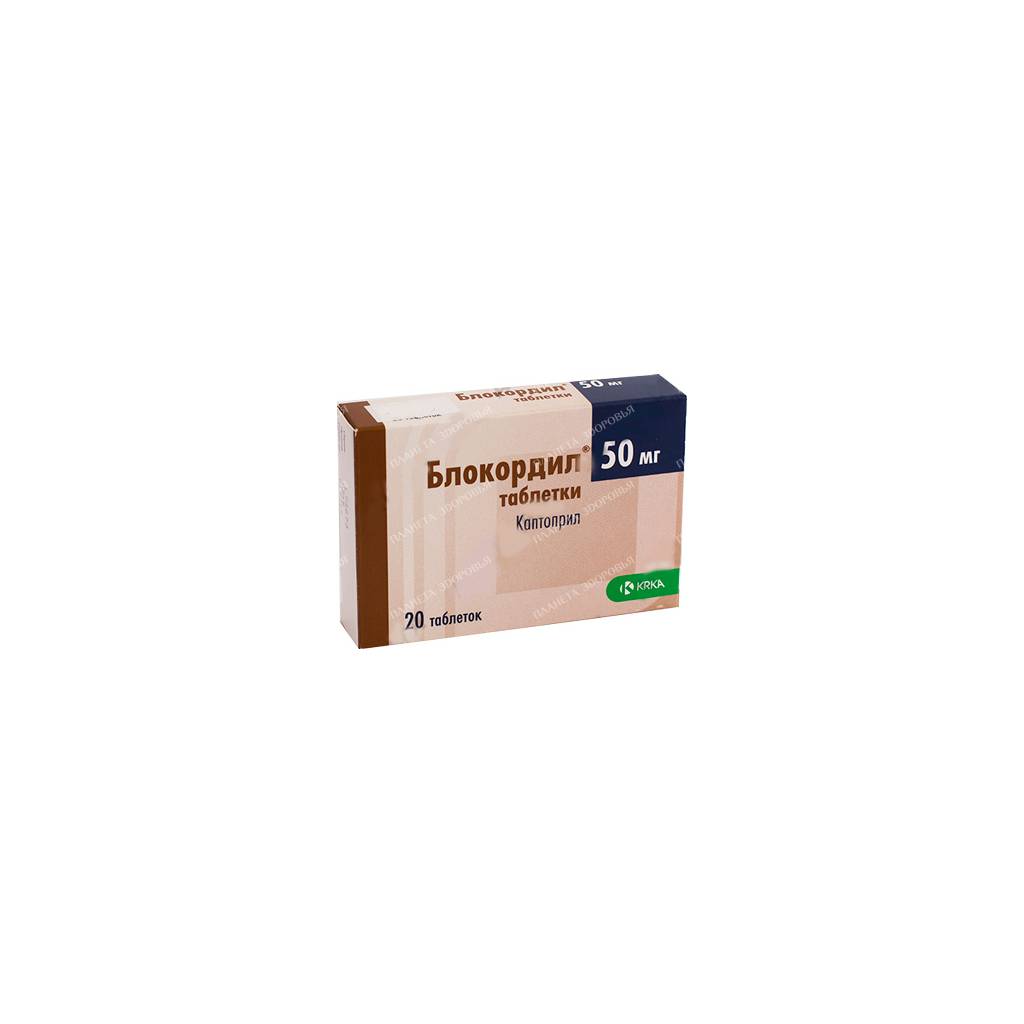
Blokordil tablets 25mg №10x2
Same manufacturer
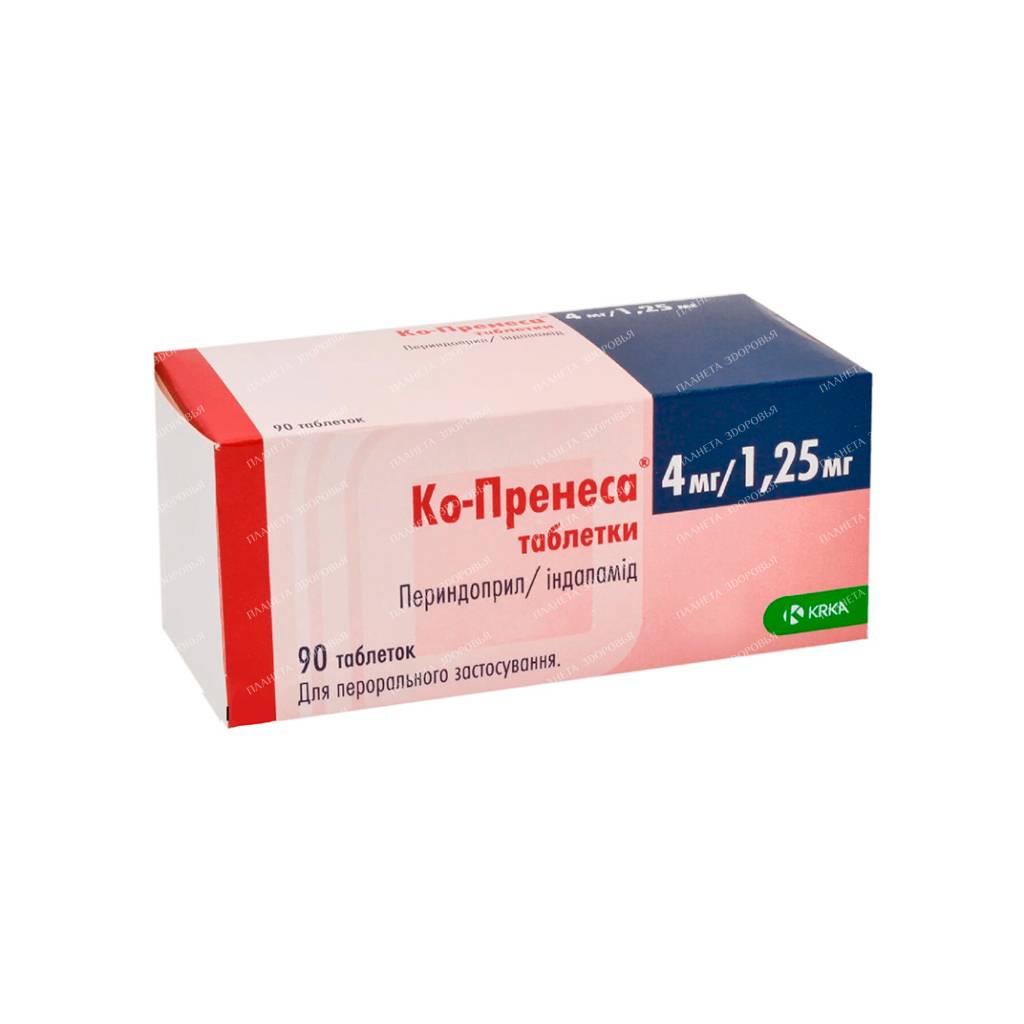
Co-Prenessa tablets 4mg/1.25mg №10x9
Same manufacturer
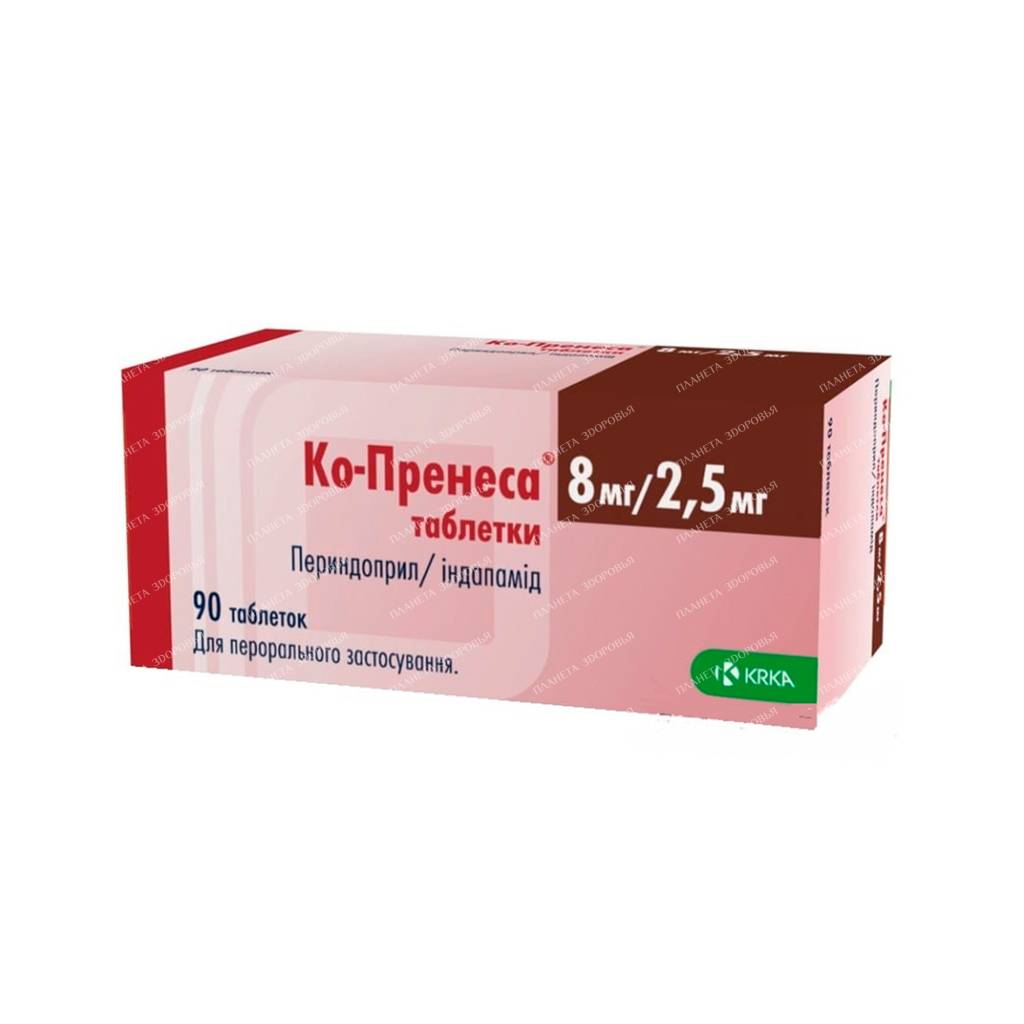
Co-Prenessa tablets 8mg/2.5mg №10x9
Related category
Belmedpreparaty Hawthorn-Belmed tincture, 50 ml.
Related category