 US: 2–3 weeks,
  EU/UK: 1–2 weeks, 🇨🇦 Canada: 3–4 weeks, 🌍 Rest of world: 1–4 weeks ✈️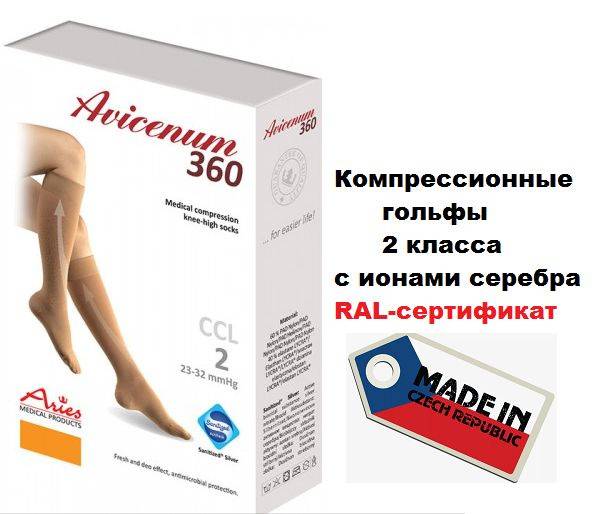
Avicenum Beige Compression Socks, 20-30 mmHg, 1 Pair
$128
Title: Beige Compression Socks (Class 2) by Avicenum – 1 Pair
Product Description
Experience superior comfort and therapeutic support with Avicenum Class 2 compression socks. These beige socks are designed for men and women over 164cm tall, with shoe sizes up to 42. Crafted with high-quality materials (60% Nylon, 40% Lycra) and adhering to RAL quality standards, these socks provide gentle yet effective compression to improve circulation and alleviate symptoms associated with venous insufficiency.
Key Features
- Class 2 Compression: Provides graduated compression to promote healthy blood flow.
- Silver Ion Technology: Incorporates antimicrobial silver ions for odor control and enhanced hygiene, ideal for sensitive skin. The elastane yarn is double-protected to minimize skin irritation.
- Soft & Comfortable: Features a wide, comfortable waistband to prevent binding and chafing.
- Durable Construction: Built to last with high-quality materials and meticulous craftsmanship.
- Closed Toe Design: Offers a secure and comfortable fit.
- Versatile: Suitable for everyday wear, travel, and pregnancy.
Benefits
- Improves circulation in the lower extremities.
- Alleviates symptoms of early-stage varicose veins (including swelling, spider veins, and fatigue).
- Helps prevent varicose veins during pregnancy.
- Relieves leg fatigue and swelling.
Indications
- Early-stage varicose veins.
- Leg swelling and fatigue.
- Pregnancy (as a preventative measure).
Contraindications
Absolute Contraindications
- Chronic occlusive arterial diseases of the lower extremities (posterior tibial artery systolic pressure below 80 mmHg).
- Severe diabetic polyneuropathy and angiopathy.
- Decompensated cardiopulmonary insufficiency.
- Non-venous trophic ulcers.
- Acute soft tissue infection.
- Septic phlebitis.
Relative Contraindications
- Severe heart failure (increased compression may impair gas exchange and cause necrosis).
- Diabetes mellitus (risk of fragile vessel damage, bleeding, and thrombosis).
- Acute inflammatory processes affecting vessel walls, phlebitis, and thrombophlebitis (inflammation narrows vessels, impairing blood supply; increased pressure can lead to oxygen deprivation, thrombi, ulcers, and necrosis).
- Skin diseases, open wounds, purulent tissue infections, and allergic sensitivity to materials (fiber, lycra, cotton, silicone).
Related shopping options
Explore related products by family, manufacturer or listed ingredient. Shared ingredients do not mean products are interchangeable; check strength, form and label information.
Bandage
Related category
MedEuroCompany Elastic Compression Bandage with Lycra, Medium Stretch, 10cm x 2m
Polyester | cotton | lycraMedEvroKompani LLC, Belarus
Bandage
Related category
Medical Elastic Knitted Bandage with Lycra Compression Strip 10cm x 1m
Polyester | cotton | lycraMedEvroKompani LLC, Belarus
Bandage
Related category
MedEuroCompany Elastic Compression Bandage with Lycra, Medium Stretch, 6cm x 1m
Polyester | cotton | lycraMedEvroKompani LLC, Belarus
Bandage
Related category
MedEuroCompany Elastic Compression Bandage with Lycra, Medium Stretch, 8cm x 1m
Polyester | cotton | lycraMedEvroKompani LLC, Belarus
Bandage
Related category
MedEuroCompany Elastic Compression Bandage with Lycra, Medium Stretch, 8cm x 2m
Polyester | cotton | lycraMedEvroKompani LLC, Belarus
Related category
Galteyapharm Non-Woven Cohesive Compression Bandage 5cm x 4.5m (Yellow)
Galteiafarm LLC, Belarus